🌸 কুমারী পূজা — ঘরের মেয়ে যখন উমা
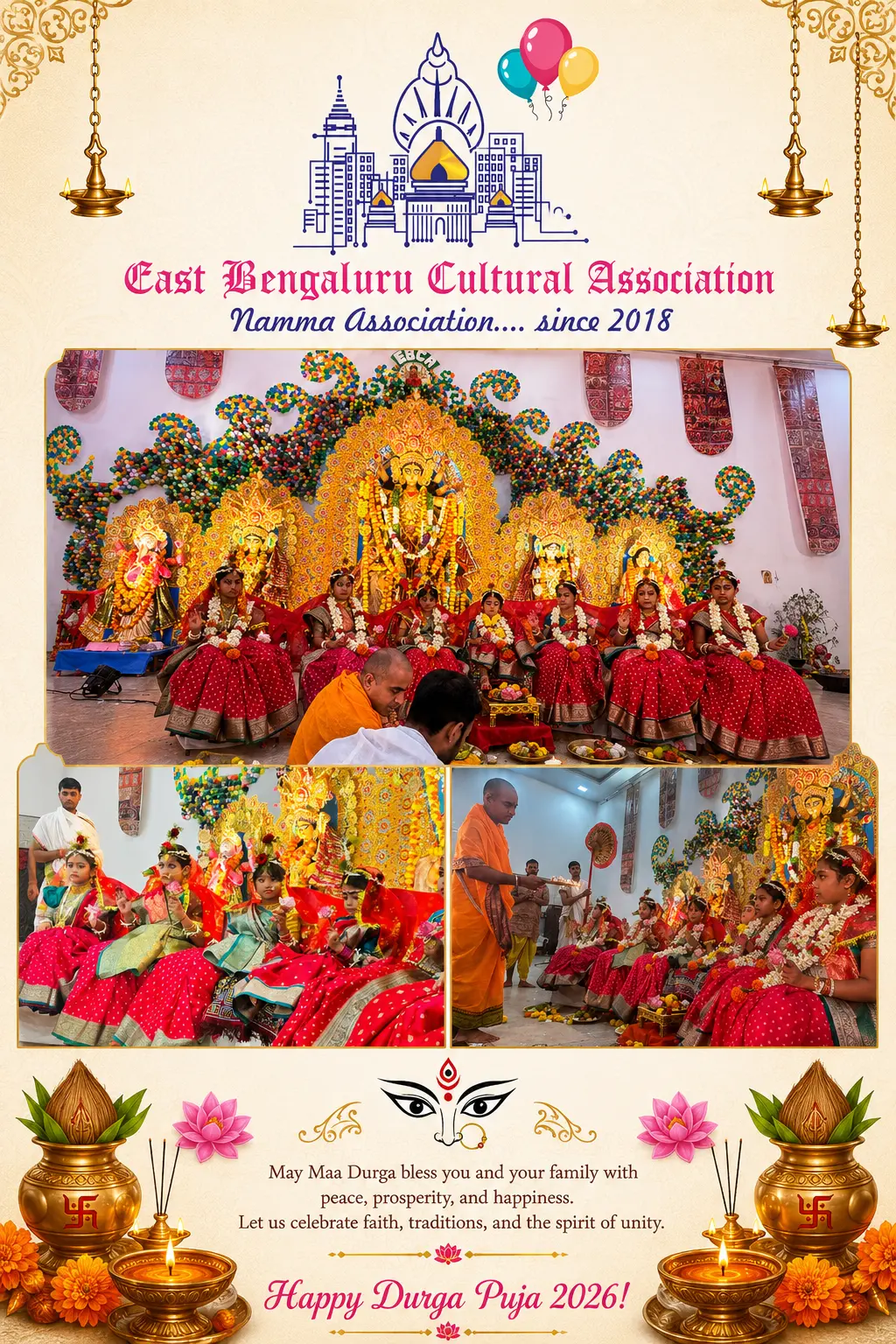
শারদীয়া দুর্গোৎসবের অন্যতম পবিত্র ও আধ্যাত্মিক অঙ্গ হল কুমারী পূজা। এটি কোনও আড়ম্বরপূর্ণ অনুষ্ঠান নয়, কোনও ব্যক্তিপূজা বা কোনও পরিবারের ধ্বজা ওড়ানোর বিষয়ও নয়। বরং এটি সনাতন ধর্মের সেই চিরন্তন দর্শনের প্রকাশ, যা আমাদের শেখায়— নারী শক্তি, নারী সৃষ্টি, নারীই জগজ্জননী।
কুমারী পূজার মাধ্যমে একটি নিষ্পাপ কন্যার মধ্যে আমরা স্বয়ং আদ্যাশক্তি মহামায়ার উপস্থিতি অনুভব করি। তাঁর চরণে প্রণাম করা মানে কোনও ব্যক্তি বিশেষকে নয়, বরং সেই সর্বব্যাপী মাতৃশক্তিকে প্রণাম করা, যিনি সমগ্র সৃষ্টির অন্তরে বিরাজমান।
"যা দেবী সর্বভূতেষু মাতৃরূপেণ সংস্থিতা"
অর্থাৎ, দেবী প্রতিটি জীবের মধ্যেই মাতৃরূপে অবস্থান করছেন।
তাই কুমারী পূজার মূল উদ্দেশ্য কোনও সামাজিক সম্মান প্রদর্শন নয়, বরং সকল নারী ও কন্যার মধ্যে জগন্মাতার রূপকে উপলব্ধি করা।
🌸 বয়সভেদে কুমারীর দেবীরূপ
| 🔸 ১ বছর – সন্ধ্যা | 🔸 ৯ বছর – অপরাজিতা |
| 🔸 ২ বছর – সরস্বতী | 🔸 ১০ বছর – কালসন্ধর্ভা |
| 🔸 ৩ বছর – কালিকা | 🔸 ১১ বছর – রুদ্রাণী |
| 🔸 ৪ বছর – কল্যাণী | 🔸 ১২ বছর – ভৈরবী |
| 🔸 ৫ বছর – সুভগা | 🔸 ১৩ বছর – মহালক্ষ্মী |
| 🔸 ৬ বছর – উমা | 🔸 ১৪ বছর – পীঠনায়িকা |
| 🔸 ৭ বছর – মালিনী | 🔸 ১৫ বছর – ক্ষেত্রজ্ঞা�� |
| 🔸 ৮ বছর – কুব্জিকা | 🔸 ১৬ বছর – অম্বিকা�� |
এই নামগুলি আদ্যাশক্তির বিভিন্ন গুণ, শক্তি ও তত্ত্বের প্রতীক। শাস্ত্রমতে প্রায় সর্বজাতীয় কুমারী কন্যাকেই দেবীরূপে পূজা করা যায়। তবে সাধারণত ৫ থেকে ৭ বছর বয়সী কন্যাদের কুমারী পূজার জন্য নির্বাচন করা হয়, কারণ এই বয়সে শিশুর নিষ্কলুষতা, সরলতা ও দেবত্বের প্রকাশ সবচেয়ে সহজে অনুভূত হয়।
📜 কুমারী পূজার পৌরাণিক প্রেক্ষাপট
বৃহদ্ধর্মপুরাণে বর্ণিত আছে, রামচন্দ্রের অকাল বোধনের সময় ব্রহ্মা দেবীকে জাগ্রত করলে তিনি প্রথমে এক দিব্য কুমারী রূপে আবির্ভূত হন। সেই কুমারীই পরবর্তীতে মহাশক্তিরূপে প্রকাশিত হয়ে দেবতাদের আশীর্বাদ প্রদান করেন। সেই স্মৃতিকে ধারণ করেই আজও দুর্গাপূজায় কুমারী পূজার প্রথা পালিত হয়।
🪷 কুমারী পূজার প্রকৃত শিক্ষা
প্রতি কন্যার মধ্যে মা, প্রতিটি নারীর মধ্যে শক্তি, এবং প্রতিটি জীবের মধ্যে ঈশ্বরকে দর্শন করা — এটাই কুমারী পূজার মূলমন্ত্র। ঘটা করে কোনও বিশেষ পরিবারের ধ্বজা ওড়ানো নয়, বরং সনাতন ধর্ম শেখায় —
"যা দেবী সর্বভূতেষু মাতৃরূপেণ সংস্থিতা,
নমস্তস্যৈ নমস্তস্যৈ নমস্তস্যৈ নমো নমঃ।"
যিনি সকল প্রাণীর মধ্যে মাতৃরূপে বিরাজমান, সেই জগজ্জননীকে বারংবার প্রণাম। 🙏🙏🙏
কুমারী পূজা - নারীসম্মান, মাতৃতত্ত্ব এবং সর্বভূতে দেবী দর্শনের এক চিরন্তন সাধনা।
EBCA Maha Durga Puja
৯ বছর পূর্তি উৎসব — ভক্তি, সংস্কৃতি ও সম্প্রীতির মিলনমেলা 🌺🙏🕉️
📍 হোয়াইটফিল্ড, বেঙ্গালুরু | 📅 ১৬-২১ অক্টোবর, ২০২৬ | ✨ অষ্টমীতে কুমারী পূজা
সম্পূর্ণ সময়সূচি দেখুন →
ট্যাগস: কুমারী পূজা দুর্গাপূজা ২০২৬ ইবিসিএ নারীশক্তি